

Drones Will Fly Prescriptions Into Tampa Bay Backyards Starting in 2027
BayCare and autonomous delivery company Zipline plan to launch the region's first medical drone network in late 2027, sending antibiotics, lab samples and urgent supplies to homes and hospitals within minutes.

An antibiotic prescription or a vial of blood bound for the lab could soon arrive in a Tampa Bay backyard by air instead of by car. BayCare, West Central Florida's largest not-for-profit health system, announced July 1 that it is partnering with autonomous delivery company Zipline to build the region's first healthcare drone delivery network — a service expected to launch in late 2027, beginning in the St. Petersburg–Clearwater area before expanding across Tampa Bay and into Hillsborough County.
For local families, the plan means that medications and critical medical supplies could one day be delivered to the yard within minutes, without a trip to a pharmacy or care site. BayCare, which operates 16 hospitals across the region, says the service will be optional and built around patient choice.
How the delivery would work
The process is designed to be simple, according to the health system. A provider places an order into a Zipline drop box at a designated BayCare site. An electric drone retrieves the pod and flies autonomously to its destination — either a patient's home or another facility.
Once overhead, the aircraft stays up to 300 feet in the air while the package descends on a tether to the ground. BayCare says the pod can make precise drops even in high winds and bad weather. The drone then returns to charge for its next run at one of two charging stations planned for Pinellas County.
Zipline's federally approved aircraft can reach 70 mph and operate within a roughly 10-mile radius, or about 24 miles one way, according to reports. The company says its propeller design keeps the experience quiet and brief for people on the ground.
Why BayCare says it matters
Beyond convenience, officials framed the network as a way to move time-sensitive items faster and more reliably between homes and facilities. If a provider needs an acute medical intervention, a drone could send supplies and medications to a patient's location within minutes, the health system said.
BayCare also points to community-wide benefits: fewer car trips for small deliveries, lower delivery-related emissions and reduced road congestion. Because deliveries come with precise arrival windows and real-time tracking — and can drop into a private backyard rather than a public porch — the company says the approach also cuts down on package theft.
BayCare says Zipline will not access patient information and is compliant with patient privacy laws. According to the health system, the drone system collects only what it needs to transport a package safely — its weight, volume and handling requirements such as temperature.
A proven system, new to the region
Zipline describes itself as the world's largest and most experienced FAA-approved autonomous delivery service. The company says its zero-emission aircraft have flown more than 135 million autonomous commercial miles globally, delivering more than 20 million items and serving over 5,000 hospitals and health facilities.
Those drones have moved blood, vaccines, gauze and other medical supplies elsewhere, according to the company. BayCare would join a small group of U.S. health systems — including Mayo Clinic in Jacksonville — that have announced drone-based medical logistics programs, local news reports noted.
What's still ahead
The launch is more than a year away, and the earliest flights are slated for Pinellas County before the network reaches Hillsborough. That leaves plenty of time for questions Tampa Bay residents may be weighing now — from how neighborhoods will experience low-flying aircraft to exactly which prescriptions and services will be eligible when the program goes live.
For now, what's confirmed is the partnership, the phased rollout beginning in the St. Petersburg–Clearwater area, and BayCare's promise that prescription delivery will be an option, not a requirement. More operational details are expected as the 2027 launch approaches.
Stay with Tampa Community Website for updates as this rolls out, and tell us what you think — would you let a drone drop your prescription in the backyard? Join the conversation in our Community Forum and follow us on Facebook, Instagram, and X. You can also read more healthcare and business development stories from around Tampa Bay.
Continue this story for free.
Stay informed about Tampa. Enter your email to access the full story and receive local news and community updates.
Free to read · No password to remember
New here? We’ll email you a sign-in link and code. Already a reader? Use your usual email.
Read next

Eight Local Dengue Cases in Two Weeks: Hillsborough Sprays Tampa Heights as Alert Holds
Health officials confirmed an eighth locally acquired dengue case in Hillsborough County on Aug. 12, more than the county recorded in the previous 15 years combined. A trapped Hillsborough mosquito has also tested positive, and crews are spraying by helicopter and treating yards by hand.
Read the story ↗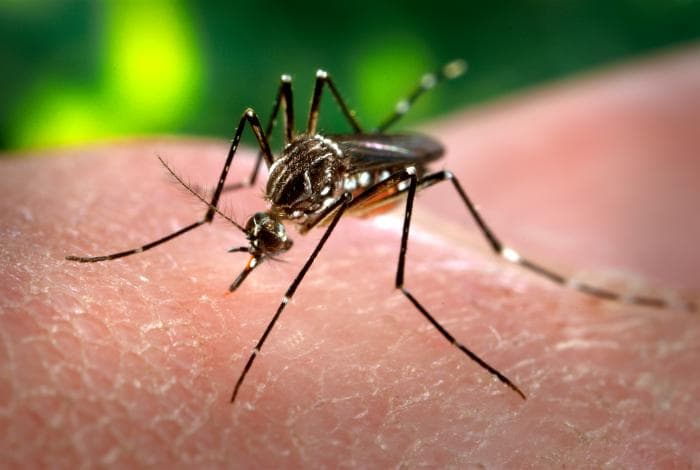
Comments
Your draft stays here while you sign in. Be respectful and keep it local.
No comments yet.