

Toxic Tire Chemical Found in Every Sample of Tampa's Hillsborough River, First-of-Its-Kind Study Finds
Researchers detected 6PPD-Quinone — a chemical born from ordinary car tires — in all samples pulled from the Hillsborough River near downtown Tampa, with levels spiking after summer storms. It's the first time the pollutant has been documented in Florida waters.

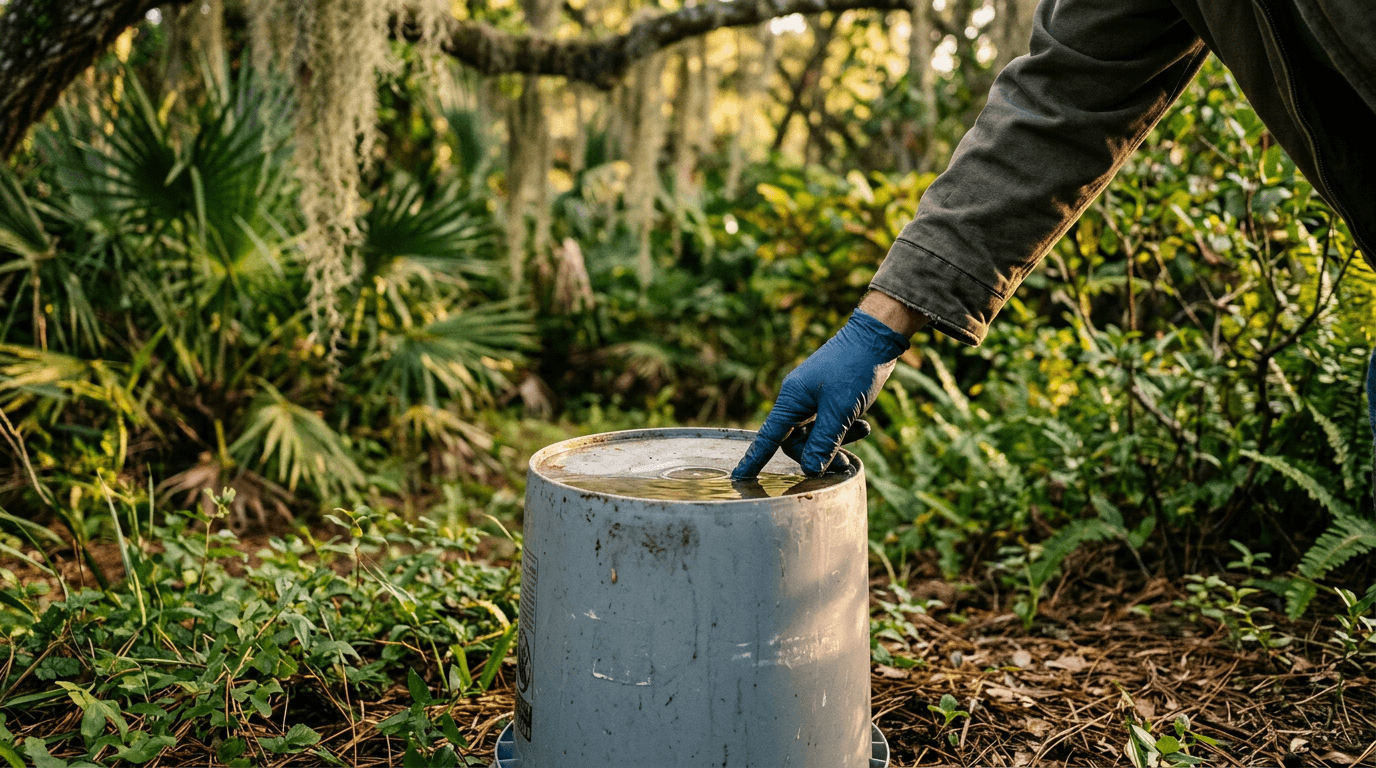
A toxic chemical that forms from ordinary car tires has been detected in every single sample of water pulled from the Hillsborough River near downtown Tampa — the drinking-water source and recreational spine of the city — according to a new study led by Florida International University researchers. It is the first time the pollutant, known as 6PPD-Quinone, has been documented in any Florida waterway, and the highest concentrations turned up right where urban stormwater pours into the river downtown.
The findings matter to anyone who paddles, fishes, or simply lives along the river that has supplied Tampa's tap water since the 1920s. Researchers found the chemical spiked sharply after heavy rain — meaning the summer rainy season now underway is actively driving these pollution pulses into the water.
- The chemical is 6PPD-Quinone (6PPD-Q), formed when the common tire additive 6PPD reacts with ozone in the air.
- It was detected in 100% of samples collected from the Hillsborough River over a roughly 10-month period.
- The highest levels were consistently near urban stormwater outfalls in downtown Tampa.
- Concentrations spiked after rain and, during some storms, approached or slightly exceeded the EPA's freshwater screening benchmark of 11 nanograms per liter.
- This is the first documented detection of the pollutant in Florida waters.
How a tire ingredient ends up in the river
6PPD is added to tires to keep the rubber from cracking and breaking down. When it reacts with ozone in the atmosphere, it transforms into 6PPD-Quinone. As tires wear against the road, tiny particles carrying that chemical wash off pavement, collect in stormwater, and get flushed into rivers and canals whenever it rains — a pathway the study points directly at Tampa's roads and highways.
According to the research, published in the journal Environmental Pollution, an FIU team working with collaborators from Ocean Conservancy and the University of Florida developed a new, highly sensitive testing method able to catch the compound at extremely low levels that older techniques may have missed entirely. That's part of why this is being called a first: the tools finally caught up to a pollutant that has likely been present but invisible.
The "first flush" problem
The study documented a pattern scientists call "first flush" — pollutant levels surge after rainfall that follows a dry stretch, as the initial wave of stormwater sweeps accumulated grime off the roads all at once. The lead researcher described it as big pulses of stormwater carrying higher amounts of these chemicals into local waterways after the first major rain event.
That timing is what makes the study locally urgent. Tampa's rainy season concentrates heavy downpours across the summer, meaning the exact conditions that drive the spikes are happening now, week after week.
How dangerous is it?
Here's the honest, uncertain part. The chemical is the same compound that separate studies in the Pacific Northwest linked to mass die-offs of coho salmon — some of the most striking evidence to date that 6PPD-Q can be lethal to fish. But Florida's waters, species, and conditions are different, and scientists say they are only beginning to understand how the chemical behaves here and what repeated stormwater surges might mean for local aquatic life.
Note: The study measured 6PPD-Q in river water, not in finished drinking water from the tap. Tampa's water is treated at the David L. Tippin Water Treatment Facility before reaching homes. The research focused on risks to the river ecosystem — the effect on treated tap water was not the subject of these findings.
To gauge the levels, researchers compared their measurements to an EPA freshwater screening benchmark of 11 nanograms per liter for short-term exposure in aquatic species. During some storm events, the river's concentrations approached or slightly exceeded that threshold — enough to warrant closer study, though the long-term ecological picture remains unresolved.
Why the Hillsborough River, specifically
The river isn't just any waterway. It forms in the Green Swamp, travels roughly 54 miles through Pasco, Polk and Hillsborough counties, and has served as the City of Tampa's primary drinking-water source for a century. It's also where families kayak, anglers cast lines, and downtown workers stroll the Riverwalk. A pollutant concentrating at downtown outfalls hits the most heavily used, most visible stretch of that system.
What happens next
The new testing method the team built is designed to make routine monitoring faster and more reliable by cutting down on manual sample handling and contamination risk. That could allow agencies to keep a closer watch on the chemical going forward. For now, researchers are working to better understand how 6PPD-Q moves through Florida waterways and whether recurring stormwater runoff poses a genuine threat to local species and broader ecosystem health.
Tire wear is the source, so anything that keeps runoff out of storm drains helps a little: keep tires properly inflated and aligned to reduce wear, wash cars at facilities that route water to treatment rather than the street, and never dump anything down a storm drain — in most Tampa neighborhoods those drains flow straight to the river and bay untreated.
For families who use the river, the practical takeaway is measured, not alarmist: this is an emerging pollutant that science is still working to understand, but it's now confirmed to be present here and to surge with the rain. Local officials and researchers say continued monitoring is the next step.
Stay with Tampa Community Website for updates as scientists and agencies learn more, and join the conversation with your neighbors in our Community Forum. Follow us on Facebook, Instagram, and X for the latest, and read more public safety and local government coverage that affects your family.

Continue this story for free.
Stay informed about Tampa. Enter your email to access the full story and receive local news and community updates.
Free to read · No password to remember
New here? We’ll email you a sign-in link and code. Already a reader? Use your usual email.
Read next
Hillsborough Dengue Cases Nearly Double to 95 as State Probes First Possible Death
Locally acquired dengue cases in Hillsborough County jumped from 59 to 95 in a single week, and the state is investigating whether the virus killed an 80-year-old South Tampa woman.
Read the story ↗

Comments
Your draft stays here while you sign in. Be respectful and keep it local.
No comments yet.