

Temple Terrace's $50 Million Public Safety Bond Hits the Ballot Aug. 18. Here's the Monthly Cost.
Voters decide whether to borrow up to $50 million for a police headquarters and a third fire station on Harney Road. The city estimates about $15 a month for a home with $200,000 in taxable value, for 30 years.
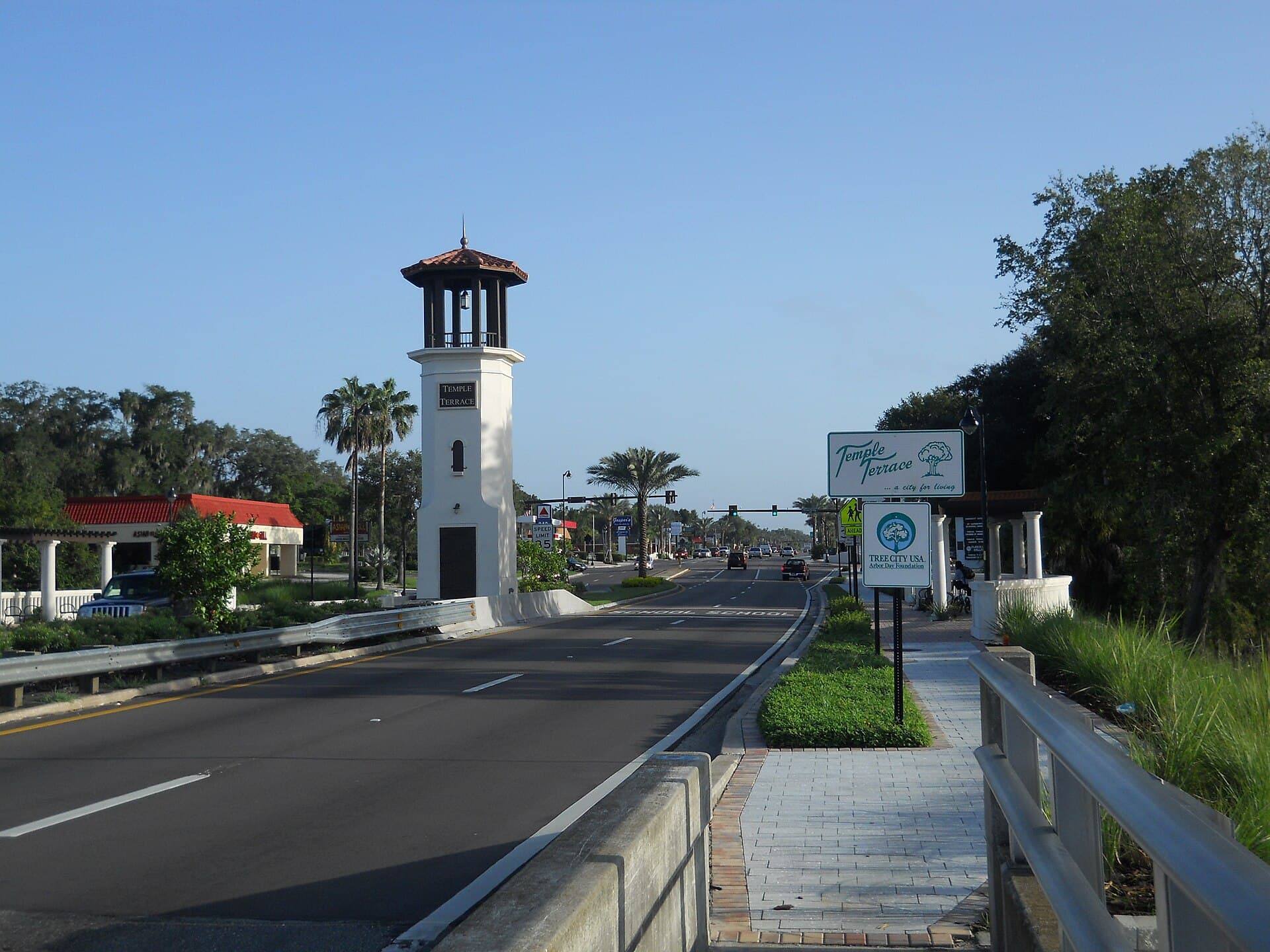
Temple Terrace voters decide on Aug. 18 whether the city can borrow up to $50 million to build a standalone police headquarters and a third fire station on Harney Road, a 30-year debt that would show up as a separate line on every city property tax bill. The city's own estimate: roughly $15 a month for a home with $200,000 in taxable assessed value.
The question goes on the primary ballot under Ordinance 1593, which the City Council approved after a second reading this spring. Early voting runs Aug. 3 through Aug. 16.
The numbers on the ballot
The bond is capped at $50 million. The city pegs the actual project at about $46 million, spread over a 30-year repayment.
| Item | Figure |
|---|---|
| Maximum bond | $50 million |
| Estimated project cost | $46 million |
| Term | 30 years |
| Year-one millage | 0.90 to 0.98 mills |
| Annual cost at $200,000 taxable value | $179.89 to $185.39 |
That works out to between $14.99 and $15.45 a month. One thing worth checking before you do the math on your own house: taxable assessed value is what remains after homestead and other exemptions, not the market price. Council members discussed making clear that the debt service millage is separate from the city's operating millage and would appear on tax bills as its own non-permanent charge, ending when the bonds are paid off. City materials say repayment pressure is projected to ease over time as new development is added to the tax roll.
Why the city says it needs the buildings
The police department still works out of the same 11,000 square feet inside City Hall it has occupied since the early 1980s. In 1982 that meant 26 sworn officers and 11 civilian employees serving a city of just over 11,000 people. Today it is 57 sworn officers, 20 civilian staff, and a population above 28,000. The footprint has not changed.
The practical consequences, according to the city: there is no secure indoor intake area, so people being processed after an arrest wait in patrol cars in the City Hall parking lot. Evidence storage has been outgrown. Impounded vehicles cannot be processed under cover. The old training room was converted into office space. The proposed replacement headquarters would run about 33,000 square feet.
The fire side of the argument is about drive time. Temple Terrace's newest fire station dates to the mid-1980s, when the city held roughly 13,000 residents. Since then it has annexed to the southeast and more than doubled in population. Emergency calls went from 3,067 in 2014 to more than 4,800 in 2025, a 53% increase, and 88% of them are EMS runs. About 21% now originate on the eastern end of the city.
The department's target is a first unit on scene within 6 minutes and 40 seconds. In the area Station 3 would cover, the current average is 8 minutes and 29 seconds. City projections put that at 10 to 12 minutes by 2035 without a third station, with annual call volume reaching somewhere between about 6,400 and 7,800.
The site is already bought
The city acquired the five-acre parcel at 7911 Harney Road in 2024 for $1.6 million, and the Council rezoned it from agricultural urban to public/quasi-public with no objections raised at the public hearing. So the land is not part of the ask. The buildings are.
City leaders made the pitch in person on July 25 at Temple Terrace's first Public Safety Day, held on the Harney Road property itself from 9 a.m. to 2 p.m. Residents got a look at drones, armored vehicles and EMS demonstrations while the police and fire chiefs walked through the space problems. Local news reports quoted both chiefs describing facilities that no longer match the size of the city.
Mayor Andy Ross has argued that voting the bond down does not mean residents avoid costs, pointing to slower fire response and the risk to the city's insurance rating. Temple Terrace currently holds an ISO Class 1 public protection classification, the highest available, which factors station distribution, staffing, training and water supply. A downgrade can move commercial property insurance rates. The police department's state accreditation also depends in part on secure intake, evidence handling and facility design.
What happens after Aug. 18
If it passes, the city says it could access the money within three to six months. No construction start date has been published. If it fails, the Council has to decide whether to pursue the complex anyway using some other financing, which would not require voter approval but would come out of a different pot.
Full details, including the tax impact breakdown, are posted on the city's General Obligation Bond 2026 page. Early voting locations and sample ballots come from the Hillsborough County Supervisor of Elections.
For more local coverage, visit Tampa Community Website, follow us on Facebook, and join the conversation in our Community Forum. You can read more government and politics stories and public safety stories from around Tampa and Hillsborough County.
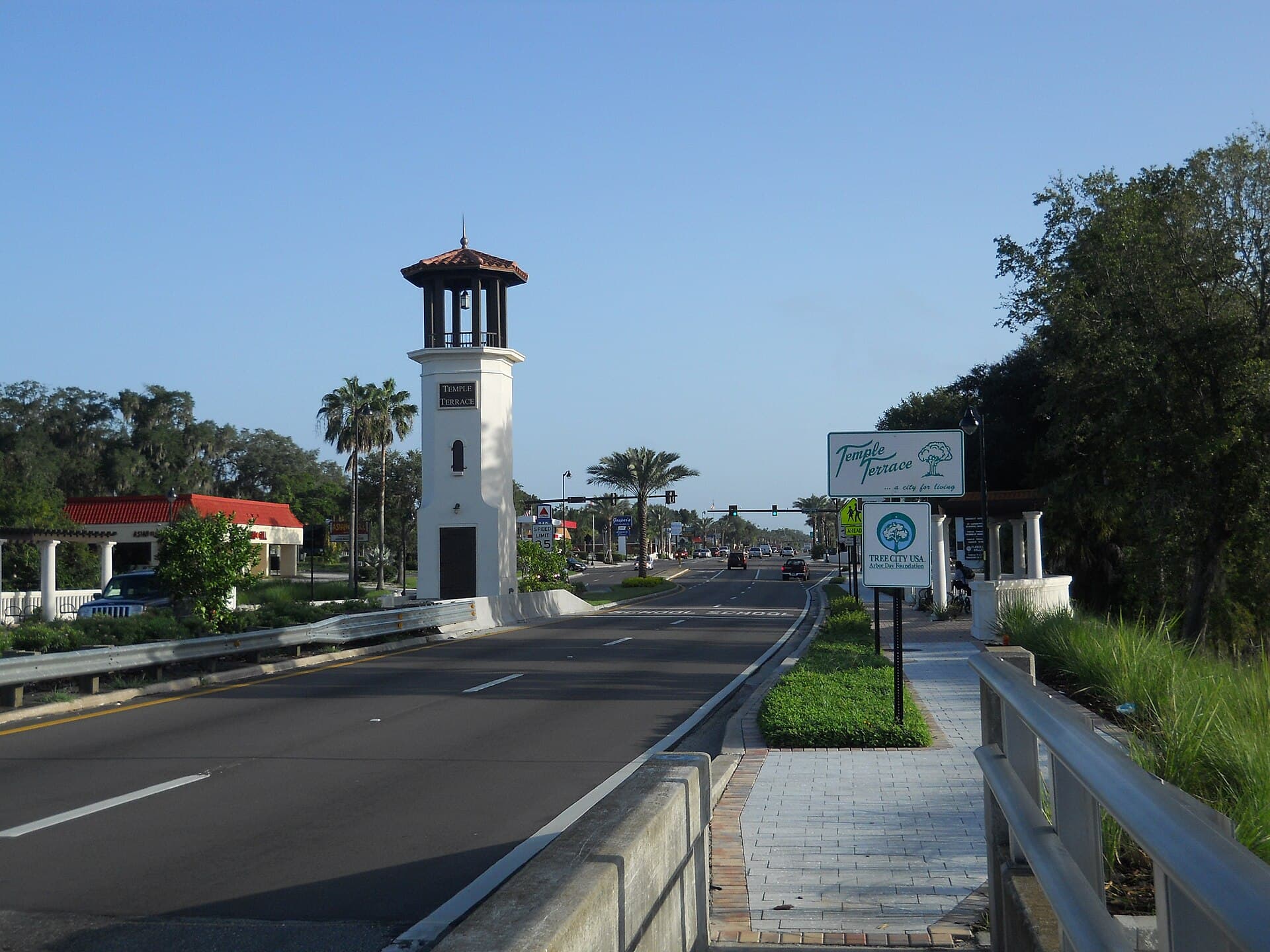
Header photo: Tlalock446 / Wikimedia Commons (CC BY-SA 3.0)

Continue this story for free.
Stay informed about Tampa. Enter your email to access the full story and receive local news and community updates.
Free to read · No password to remember
New here? We’ll email you a sign-in link and code. Already a reader? Use your usual email.
Read next
Rays Refile Land-Use Plan for 121-Acre Hillsborough College Site After Council's Historic 4-3 Block
The team submitted a new application Friday for the Dale Mabry campus site, weeks after Tampa City Council refused to send the first version to Tallahassee. At stake: what can legally be built on 121 acres of public land in Drew Park, and who pays for the infrastructure around it.
Read the story ↗
Stay connected with Tampa
Follow us for the latest community news and updates
Comments
What does this mean for your neighborhood? Share your experience or ask a question.
Your draft stays here while you sign in. Be respectful and keep it local.
No comments yet. Be the first to share your thoughts!