
Tampa International Airport to Privatize Security Screening in 2027 — Here's What It Means for 800 Local Workers and Your Flight
TIA will hand its checkpoints to a private contractor under the federal "Gold+" program starting May 31, 2027, putting the jobs of roughly 800 local TSA officers in play and changing who screens every Tampa traveler.
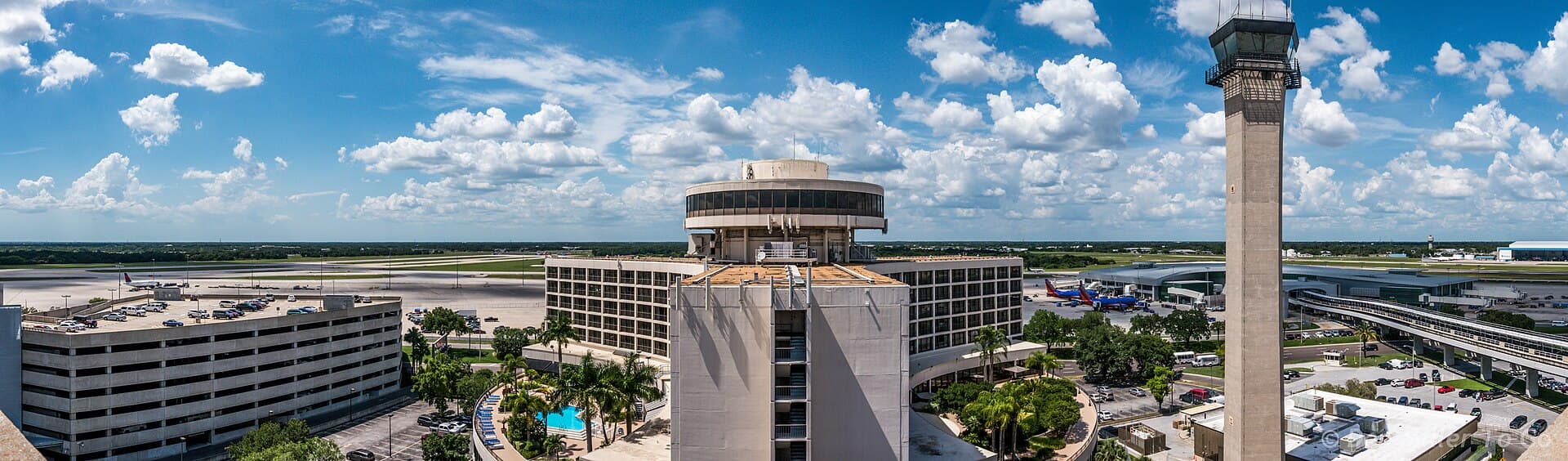
Tampa International Airport will replace its federal TSA screeners with a private contractor beginning May 31, 2027, a shift that puts the jobs of roughly 800 local security officers in play and changes who checks every traveler passing through the region's busiest airport. TIA is one of the first airports in the country to opt into a new federal program called Gold+, according to local media outlets.
The change affects the part of flying most Tampa families know by heart: the shuffle through the checkpoint, shoes off, laptop out. Starting in 2027, the people running that screening will no longer be federal employees.
What Gold+ actually changes
Under Gold+, a private company will hire the screening workforce and buy and manage the security equipment. The TSA keeps regulatory oversight, and checkpoints must still follow federal screening rules — so the rules travelers experience won't change, but the employer behind the checkpoint will.
Officials say the contractor plans to invest in its own technology, including AI tools aimed at cutting wait times, according to local news reports.
Tampa is launching the program alongside just two other airports next year — Charleston, South Carolina, and Des Moines, Iowa — making TIA an early test case for a model federal officials are pushing more broadly.
Why the airport says it's making the move
The core reason officials cite is government shutdowns. When Congress deadlocks over the budget and funding freezes, federal TSA officers are still required to report to work but don't get paid until the standoff ends.
Tying screeners' paychecks to a private company's budget instead of federal appropriations, officials argue, keeps workers paid and checkpoints staffed during those standoffs.
There's a nearby precedent. Sarasota Bradenton International Airport has used a private screening model for about 12 years under a different federal setup called the Screening Partnership Program. A spokesperson there said their security staff never missed a paycheck during past shutdowns, and suggested that removing that financial stress makes for calmer interactions at the checkpoint, according to local media outlets.
The key difference: in Sarasota, private workers use federal TSA equipment. Under Tampa's Gold+ deal, the contractor owns and manages the technology itself.
The choice facing 800 local workers
For the roughly 800 TSA employees at TIA, the transition comes down to three options.
- Sign on with the private contractor — current officers have been told they'll get first right of refusal on the new jobs, meaning no one who wants to stay would be left without an offer.
- Take an early retirement package, if they qualify.
- Transfer to another federal TSA job elsewhere.
That third option is harder than it sounds locally. The nearest other federal-screened airport is St. Pete–Clearwater International, which is much smaller and has few openings, according to local news reports. For many Tampa officers, staying federal could mean uprooting their lives.
The union's warning
The American Federation of Government Employees, which represents 47,000 TSA officers nationwide, is vowing to fight the change. Union leaders view Gold+ as a route to cutting federal jobs, pensions, and benefits.
The local chapter president told reporters he lived through a nearly identical situation more than a decade ago at Sanford International Airport, when that facility privatized. He chose to transfer to Orlando International to stay federal. His parents, also TSA officers, took the private offers because the company promised to match their pay — a promise he says lasted only about three weeks before pay matches were pulled, one holdover at a time.
His concern is that the same pattern could repeat in Tampa: workers accept private jobs on the strength of a pay-match pledge, only to see it erode after the transition is complete.
What it means for your next flight
For travelers, the day-to-day experience through security is expected to stay familiar in the near term — the same federal screening standards apply, and the change doesn't take effect until 2027. Over time, the contractor's own equipment and AI tools could reshape how quickly lines move.
The larger story is about the people who work at the airport. As one of the first airports in the country to make this leap, TIA becomes a live experiment in whether privatized screening delivers the steadier paychecks officials promise — or the eroding wages and lost federal careers the union fears.
Note: The transition is scheduled for May 31, 2027. No screening changes take effect at TIA before then, and the private contractor for the program had not been publicly named as of the announcement.
We'll keep following how this affects Tampa workers and travelers. For more local coverage, visit Tampa Community Website and read more local news stories and government and politics coverage. Follow us on Facebook, Instagram, and X, and join the conversation in our Community Forum — if you fly out of TIA or work there, we want to hear what this change means for you.
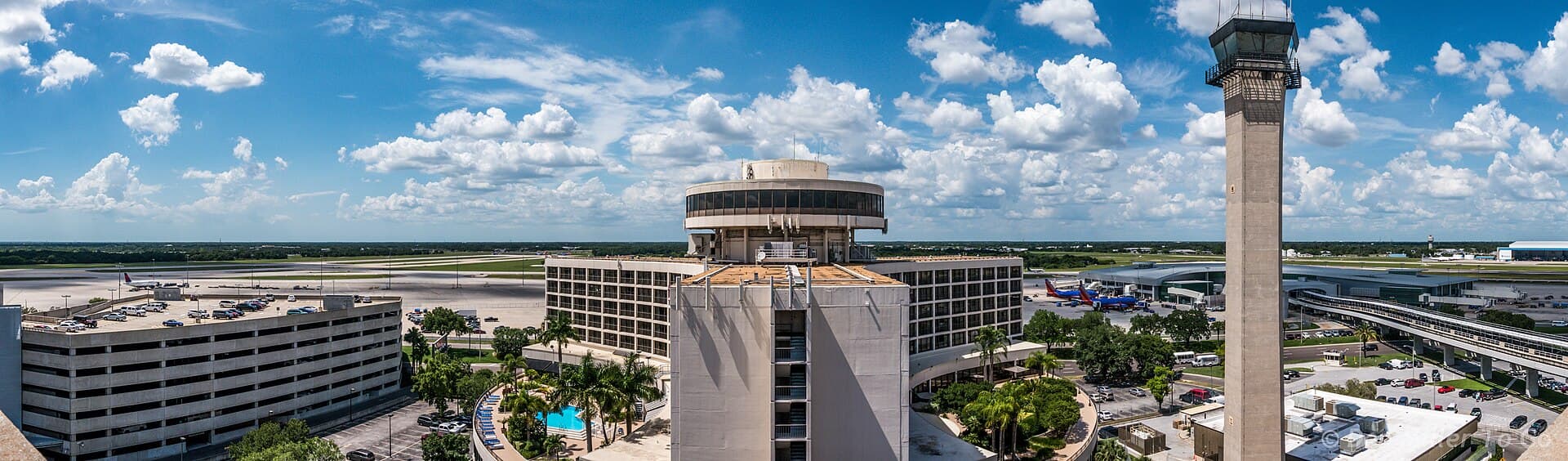
Header photo: Don Miller from Venice, United States / Wikimedia Commons (CC BY 2.0)
Continue this story for free.
Stay informed about Tampa. Enter your email to access the full story and receive local news and community updates.
Free to read · No password to remember
New here? We’ll email you a sign-in link and code. Already a reader? Use your usual email.
Read next
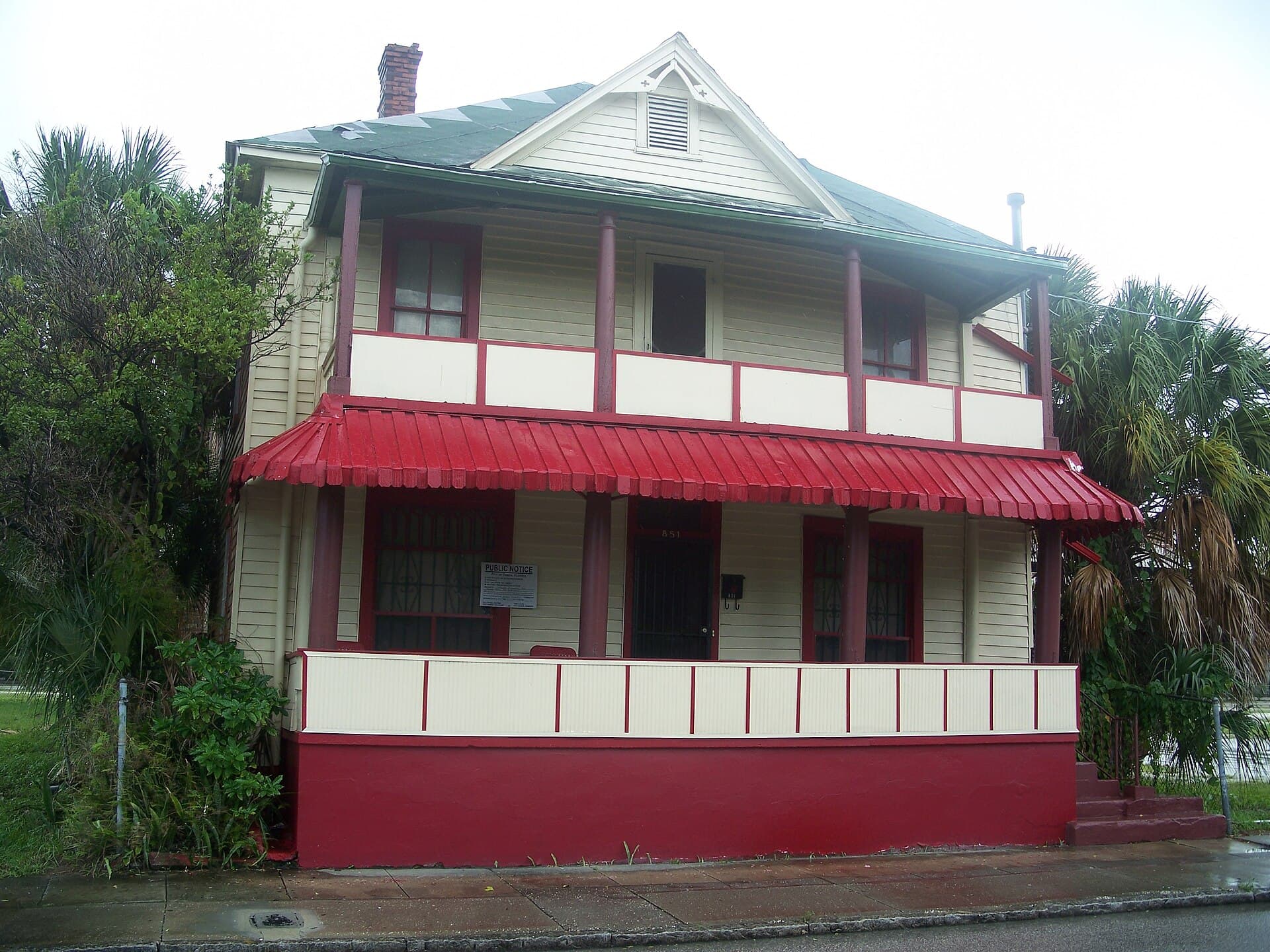
Jackson House Suffers Another Partial Collapse Weeks After Tampa Approved $1 Million for Repairs
A section of the 1901 boarding house that once sheltered Black travelers during Jim Crow crumbled over Labor Day weekend, and two city council members say the foundation should hand the building to Tampa if it can't finish the job.
Read the story ↗

Stay connected with Tampa
Follow us for the latest community news and updates
Comments
What does this mean for your neighborhood? Share your experience or ask a question.
Your draft stays here while you sign in. Be respectful and keep it local.
No comments yet. Be the first to share your thoughts!