


Hillsborough Schools Cut Screen-Time Apps in K-2 Classrooms — Printed Books and Conversation Return
The district is dropping adaptive learning apps like i-Ready, Amira and Imagine Learning from daily K-2 instruction, replacing tablet time with reading, writing and hands-on activities as the Aug. 10 first day nears.
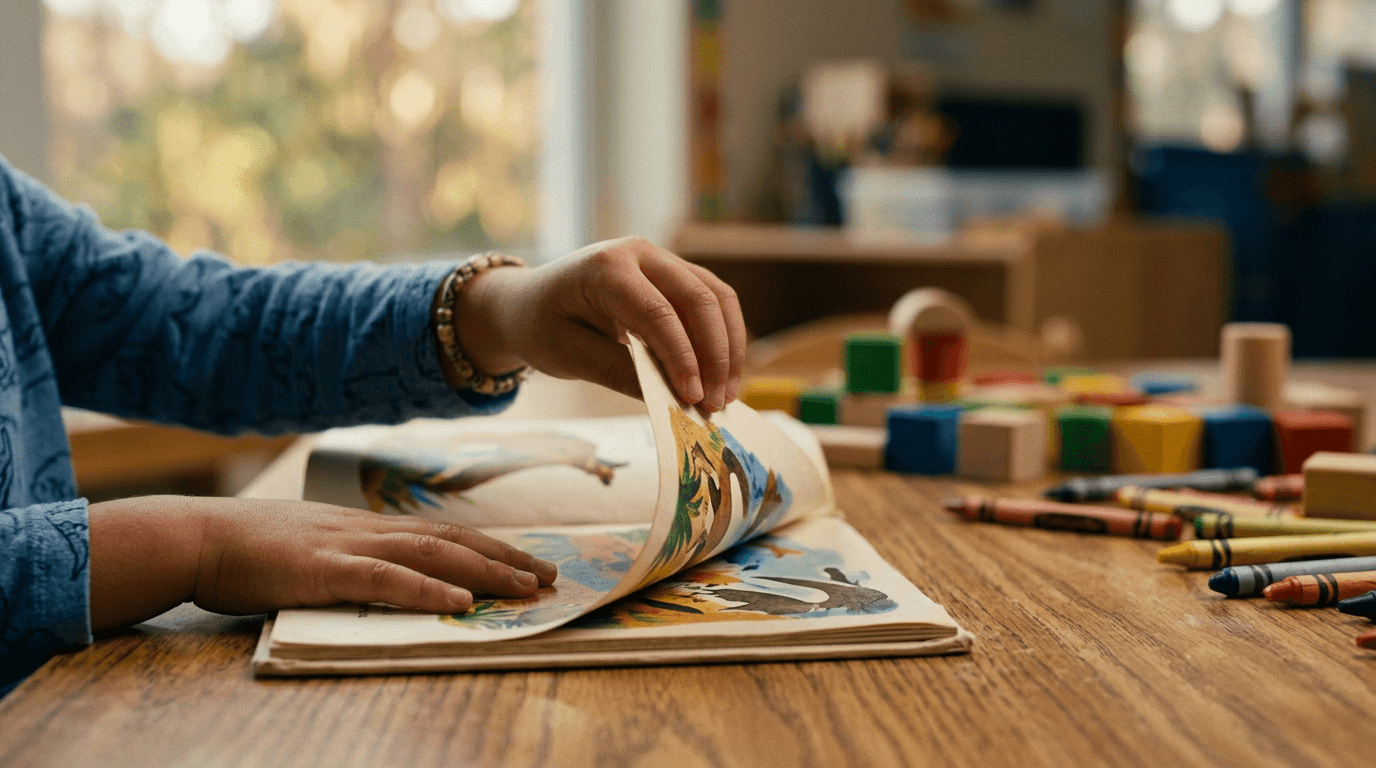
Hillsborough County Public Schools is pulling adaptive learning apps out of daily classroom instruction for its youngest students, the district confirmed this week — a change that will reshape the school day for tens of thousands of local children just as the Aug. 10 first day of classes approaches.
Under the new guidelines, programs including i-Ready, Amira and Imagine Learning will no longer be part of everyday instruction in kindergarten, first and second grade. Instead, according to the district, K-2 students will spend more time reading printed books, writing, discussing ideas and doing hands-on activities that build early language and literacy skills.
The district said the decision is grounded in research favoring more "authentic" learning experiences for young children — meaning more real books, pencils, paper and back-and-forth conversation, and less time on a tablet screen.
What's actually changing in the classroom
The shift is specific to the earliest grades and to daily instruction. For families of kindergartners through second-graders, the practical effect is a noticeably different rhythm to the school day: fewer minutes tapping through an app, more time with a book in hand and a teacher or classmate to talk it through with.
| Before | Now |
|---|---|
| Adaptive apps (i-Ready, Amira, Imagine Learning) used in daily K-2 instruction | Those apps dropped from daily K-2 instruction |
| Significant on-screen tablet time | Printed books, writing, discussion and hands-on activities |
The change lands in one of Florida's largest school systems. Hillsborough County Public Schools serves more than 218,000 students across 233-plus school sites, so a policy shift in the early grades touches classrooms across the county.
How it fits the district's literacy push
The move aligns with the district's broader Hillsborough Reads literacy effort, which leans on tools such as UFLI (a structured foundational-reading approach), the myON digital reading library and the "Paige" literacy bus that brings books and reading activities into the community.
The through-line is early literacy: the district's framing is that the strongest way to build reading and language skills at ages 5 to 8 is through practice with real text, writing by hand and talking about ideas out loud — the kind of learning that research has long tied to strong early development.
The change affects daily classroom instruction, not screen use in general. If you have questions about how your child's specific classroom will run this year, your school's front office and your child's teacher are the best first points of contact once school starts.
Why parents are paying attention
Screen time in early-grade classrooms has been a live debate among parents for years, with many families weighing the convenience of adaptive software against concerns about how much of the day their young children spend looking at a device. For local parents who have wanted less tablet time and more traditional instruction in the early grades, the announcement answers a long-running question about how the school day is structured.
With classes set to resume Aug. 10, the timing means the new approach will be in place from the very first week for the county's youngest students.
The district has posted additional information about the changes on its website, hillsboroughschools.org, where families can find details as the school year begins.
Stay with Tampa Community Website for local coverage that matters to your family, and follow us on Facebook, Instagram, and X for updates. Have a take on less screen time in the classroom? Join the conversation in our Community Forum, and read more education stories and community news from around Tampa.

Continue this story for free.
Stay informed about Tampa. Enter your email to access the full story and receive local news and community updates.
Free to read · No password to remember
New here? We’ll email you a sign-in link and code. Already a reader? Use your usual email.
Read next
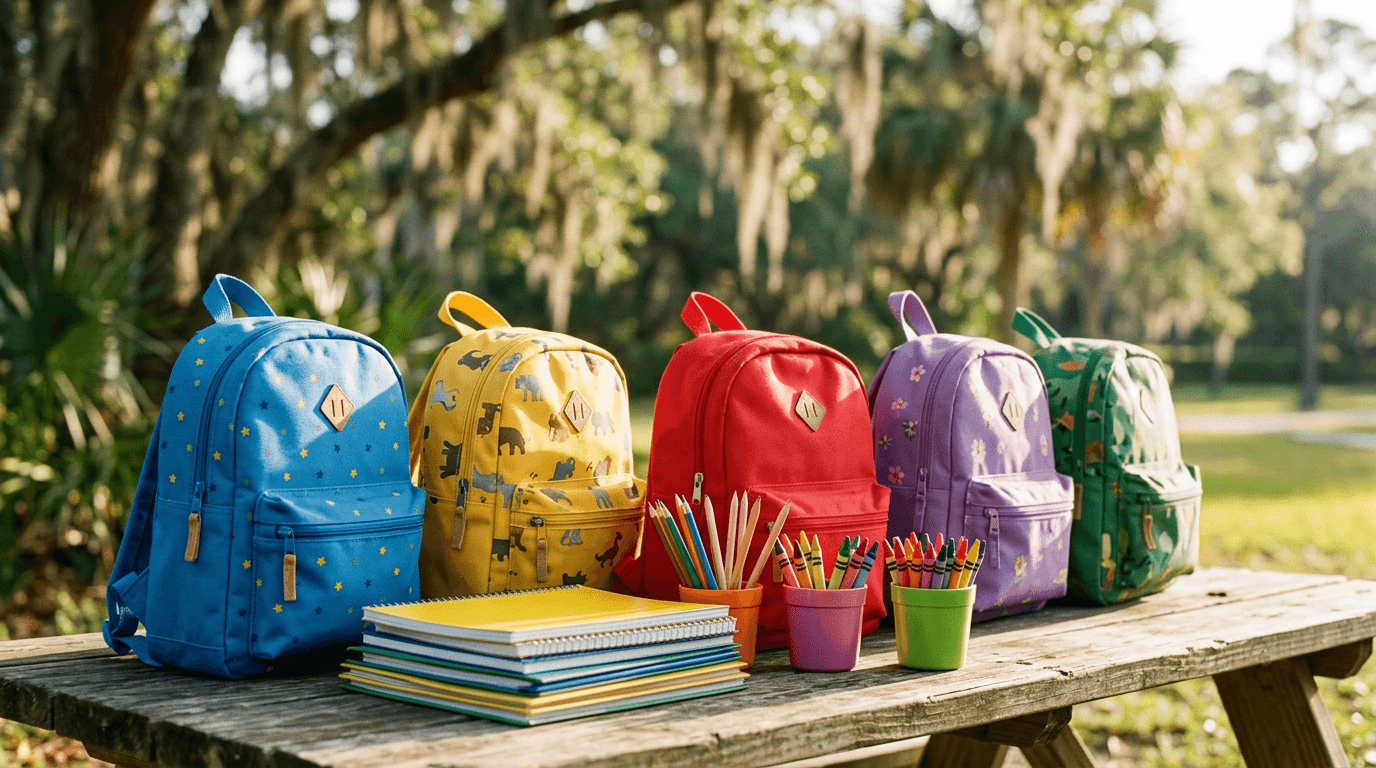
Free Backpacks Across Tampa Before Aug. 10: Where Hillsborough Families Can Get School Supplies for Nothing
Hillsborough's 19th Annual Back to School Fair moves to Citrus Park Town Center on Aug. 1 with free backpacks for the first 1,000 students — and it's one of several free giveaways across Tampa in the days before the Aug. 10 first day.
Read the story ↗
Stay connected with Tampa
Follow us for the latest community news and updates
Comments
How does this affect your family or local school? Share your experience.
Your draft stays here while you sign in. Be respectful and keep it local.
No comments yet. Be the first to share your thoughts!