

First Tampa Bay Dengue Death in Nearly a Century Confirmed Near Bayshore Boulevard
State health officials confirmed an 80-year-old Tampa woman died of locally acquired dengue fever after a mosquito bite near her Bayshore Boulevard home, as Hillsborough County logs 90% of Florida's cases this summer.
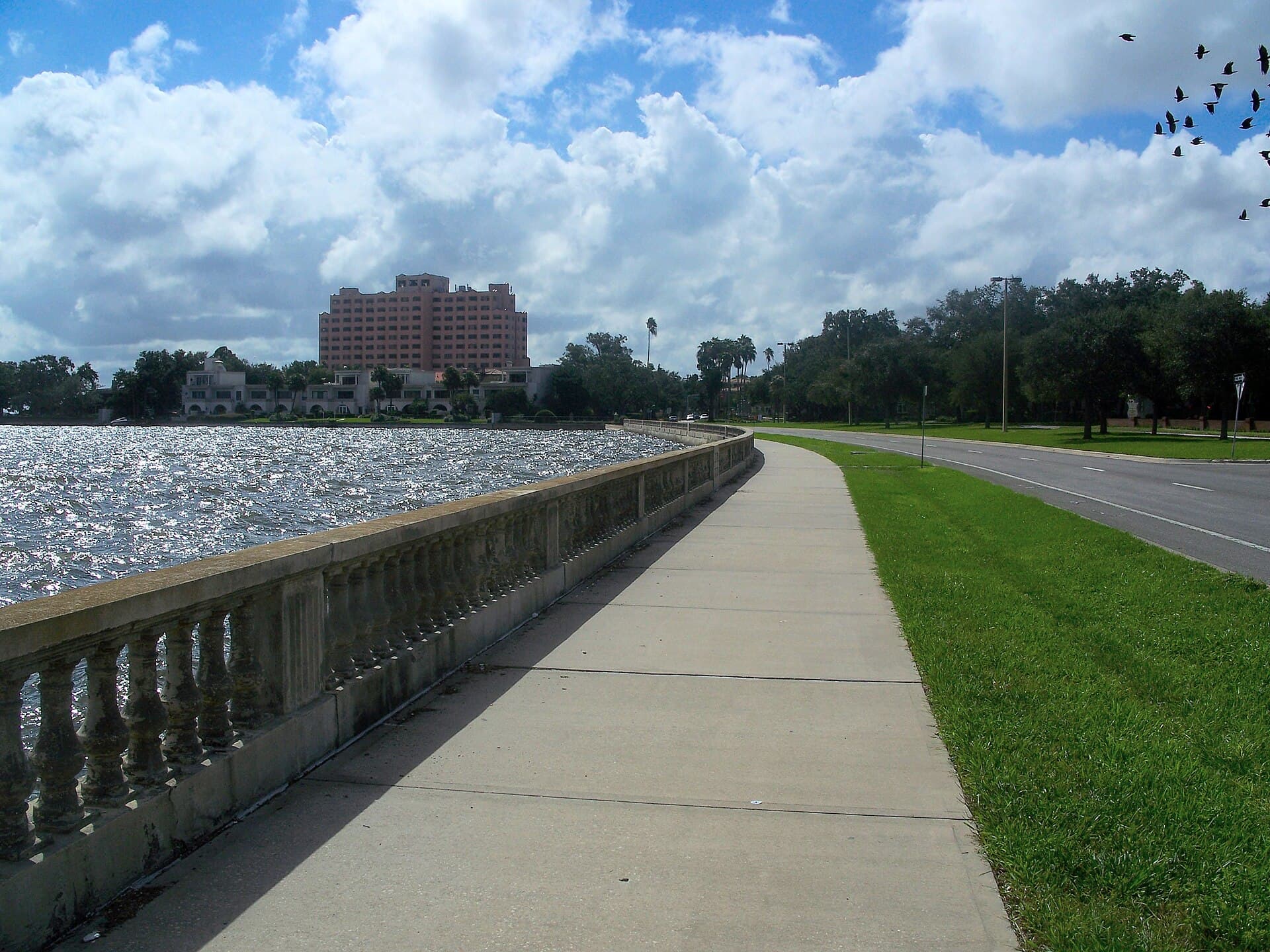
The Florida Department of Health confirmed Friday that locally acquired dengue fever killed an 80-year-old Tampa woman this month, the first death tied to the mosquito-borne virus in the Tampa Bay region in nearly a century. Gay Small died Sept. 4 at Tampa General Hospital after apparently being bitten by a mosquito near her home on Bayshore Boulevard. Her death certificate lists dengue infection, septic shock and multi-organ failure.
She was one of at least 134 people diagnosed with locally acquired dengue in Hillsborough County this summer, roughly 90% of all cases reported statewide. Before this year, the county had seen only two locally acquired cases in the previous decade, according to health department records and mosquito control officials.
"This is wildly unusual for us," Hillsborough County spokesperson Chris Wilkerson said.
Kristy Miley, an infectious disease researcher with the USF College of Public Health, said the death is the first linked to dengue in the Tampa Bay area in nearly a century. Dengue rarely kills anyone in the United States. Most American cases are travel-related, picked up by people visiting Puerto Rico or countries in South America and the Caribbean where the virus circulates constantly.
What's driving the outbreak
Health officials point to a warm, wet summer that gave Aedes aegypti and Aedes albopictus mosquitoes, the two species that spread dengue, plenty of standing water to breed in. An outbreak typically starts when someone gets infected while traveling, comes home, and gets bitten by a local mosquito that then passes the virus on to someone else. From there it can spread through a neighborhood.
These mosquitoes don't travel far. They tend to stay within a few hundred feet of where they hatch and live close to people in and around homes, according to Miley. That's why Hillsborough's mosquito control crews have focused their response on the areas immediately around confirmed cases rather than blanket spraying across the county.
There are early signs the outbreak may be easing. Paolo Pecora, senior environmental scientist for Hillsborough County Mosquito Management Services, said recent testing of mosquito pools has not been turning up the virus, which suggests the risk of new infections is dropping. Crews have kept up aerial and ground pesticide spraying, with Pasco County sending help under a mutual aid agreement, and have been checking properties for standing water in tires, buckets and other containers where mosquitoes breed.
Drain standing water from tires, buckets, pool covers, coolers, toys, flowerpots and plant leaves after rain or sprinkler use. Use an EPA-registered repellent containing DEET, picaridin, IR3535, oil of lemon eucalyptus, para-menthane-diol or 2-undecanone. Wear loose, long-sleeved clothing outdoors, especially around sunrise and sunset when mosquitoes are most active.
A new normal for Florida?
The state's largest dengue outbreak on record came in 2023, with nearly 200 cases statewide. This year's total already ranks second, and Florida Surgeon General Dr. Joseph Ladapo has described Hillsborough as an "epicenter" of the current spread.
Michael von Fricken, a University of Florida associate professor of environmental and global health, said Florida's climate makes it hard to see dengue as a one-time event. "I do think it's going to be somewhat the new normal," he said.
Dengue symptoms usually appear within 15 days of a bite and include high fever, severe muscle and joint aches, headaches and sometimes a rash. Severe cases can cause bleeding or shock and often require hospitalization. Many infected people never get sick enough to be counted, which means the real number of infections during an outbreak is likely higher than the official case count.
Hillsborough County has not said when the current round of aerial and ground spraying will wind down, and health officials say the standing dengue advisory for residents remains in effect until mosquito pool testing shows a sustained drop in virus activity.
Stay connected with Tampa Community Website for updates on this developing story, and follow us on Facebook and Instagram for the latest local news. Share your thoughts or questions about mosquito safety in your neighborhood in our Community Forum, and check out more healthcare stories and public safety coverage from around Hillsborough County.
Header photo: Ebyabe / Wikimedia Commons (CC BY 2.5)

Continue this story for free.
Stay informed about Tampa. Enter your email to access the full story and receive local news and community updates.
Free to read · No password to remember
New here? We’ll email you a sign-in link and code. Already a reader? Use your usual email.
Read next
Tampa International Airport to Privatize Security Screening in 2027 — Here's What It Means for 800 Local Workers and Your Flight
TIA will hand its checkpoints to a private contractor under the federal "Gold+" program starting May 31, 2027, putting the jobs of roughly 800 local TSA officers in play and changing who screens every Tampa traveler.
Read the story ↗


Comments
What does this mean for your neighborhood? Share your experience or ask a question.
Your draft stays here while you sign in. Be respectful and keep it local.
No comments yet. Be the first to share your thoughts!