


Dengue Case Caught in Hillsborough County: Crews Are Treating, and Your Yard Is the Weak Link
The Florida Department of Health in Hillsborough County confirmed a locally acquired dengue case on July 28, meaning someone was infected by a mosquito bite here at home. Mosquito Management is treating the area, and health officials want every bucket and birdbath in the county emptied.
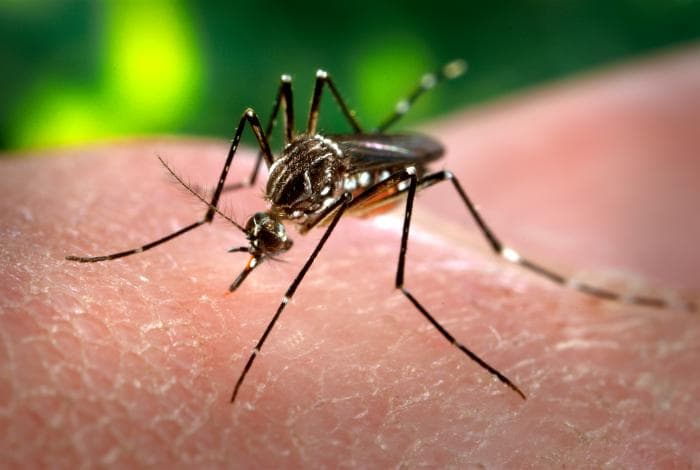
Hillsborough County has a confirmed case of locally acquired dengue, meaning a resident was infected by a mosquito bite somewhere inside the county rather than on a trip abroad. The Florida Department of Health in Hillsborough County (DOH-Hillsborough) announced the case in a mosquito-borne illness advisory on July 28 and said it is working with Hillsborough County Mosquito Management, which is treating the affected area. With daily afternoon storms refilling every bucket, pool cover and clogged gutter in the county, the practical part of this story lands in your own yard this week.
Officials are not saying where the case is. State privacy law keeps that information confidential, so residents will not get a neighborhood name or a ZIP code. That is the frustrating part of every dengue advisory here: the guidance is countywide because the risk map cannot be published.
What the county is doing
DOH-Hillsborough says surveillance and prevention are being coordinated with Mosquito Management, which is conducting treatment. In past local dengue responses, that has meant targeted spraying over three to four consecutive nights in the area around a case, while crews walk the surrounding blocks on foot, trap and test mosquitoes, and look for standing water where the insects are breeding. County staff have said before that treatment moves fast for a reason: where one infected mosquito exists, others usually do.
The smell that lingers after a truck or plane treatment is normal, according to the county.
The yard part, which is the part that matters
Dengue is carried by Aedes mosquitoes, and they are container breeders. They do not need a pond. A bottle cap of water will do. Health officials ask residents to drain and scrub anything holding water at least twice a week:
- Gutters, garbage can lids, buckets, coolers, tarps and pool covers
- Birdbaths and pet water bowls
- Kids' toys, flowerpot saucers, wheelbarrows
- Old tires, bottles and broken appliances sitting in the side yard
The rest of the advice is the usual list, and it works: use repellent, wear long sleeves and shoes when mosquitoes are out, keep window and door screens in good repair, and run the air conditioning with doors closed.
Hillsborough County asks residents to check its mosquito spraying map first to see whether an area was treated in the past 28 days. From that same page you can request a free on-site property inspection to find breeding sites, or submit a Neighborhood Spray Request. Questions go to Public Works at (813) 635-5400.
Symptoms, and when to go in
Most dengue infections are mild and clear up in a few days. The illness is often described as a brutal flu: high fever, severe headache, pain behind the eyes, muscle and joint aches, rash. Health officials say anyone with those symptoms should see a doctor and mention possible mosquito exposure.
A small share of cases turn severe, with a sharp drop in blood pressure and a collapse in platelet counts that can lead to internal bleeding. Warning signs that need emergency care include severe belly pain, repeated vomiting, bleeding from the gums or nose, and sudden extreme fatigue, especially in the day or two after a fever breaks.
How common is this here
Not very. Hillsborough County typically logs fewer than 10 dengue cases in a year, and most of those are travel related, picked up somewhere else and diagnosed after the patient comes home. A locally acquired case is a different signal, because it means the virus completed the loop between a person and a mosquito inside the county. Hillsborough also recorded a locally acquired case last summer, in August 2025.
DOH-Hillsborough has not said how long the advisory will stay active, and the county has not published an end date for treatment in the affected area. Both agencies continue routine statewide surveillance for West Nile virus, Eastern equine encephalitis, St. Louis encephalitis, chikungunya and malaria alongside dengue, and residents are still asked to report dead birds to the Florida Fish and Wildlife Conservation Commission, which can flag other mosquito-borne viruses. Any additional cases would come out through a new advisory from the health department.
For more local coverage, visit Tampa Community Website, follow us on Facebook, and join the conversation in our Community Forum. You can read more healthcare stories and neighborhood alerts any time.
Header photo: James Gathany / Wikimedia Commons (Public domain)

Continue this story for free.
Stay informed about Tampa. Enter your email to access the full story and receive local news and community updates.
Free to read · No password to remember
New here? We’ll email you a sign-in link and code. Already a reader? Use your usual email.
Read next

Eight Local Dengue Cases in Two Weeks: Hillsborough Sprays Tampa Heights as Alert Holds
Health officials confirmed an eighth locally acquired dengue case in Hillsborough County on Aug. 12, more than the county recorded in the previous 15 years combined. A trapped Hillsborough mosquito has also tested positive, and crews are spraying by helicopter and treating yards by hand.
Read the story ↗


Stay connected with Tampa
Follow us for the latest community news and updates
Comments
What does this mean for your neighborhood? Share your experience or ask a question.
Your draft stays here while you sign in. Be respectful and keep it local.
No comments yet. Be the first to share your thoughts!