
Tampa Electric Wants Data Centers to Pay Their Own Way Before They Arrive
Tampa Electric filed a new state tariff requiring future data centers and other massive power users to cover their own infrastructure and help fund the grid, aiming to keep the costs off regular household bills.
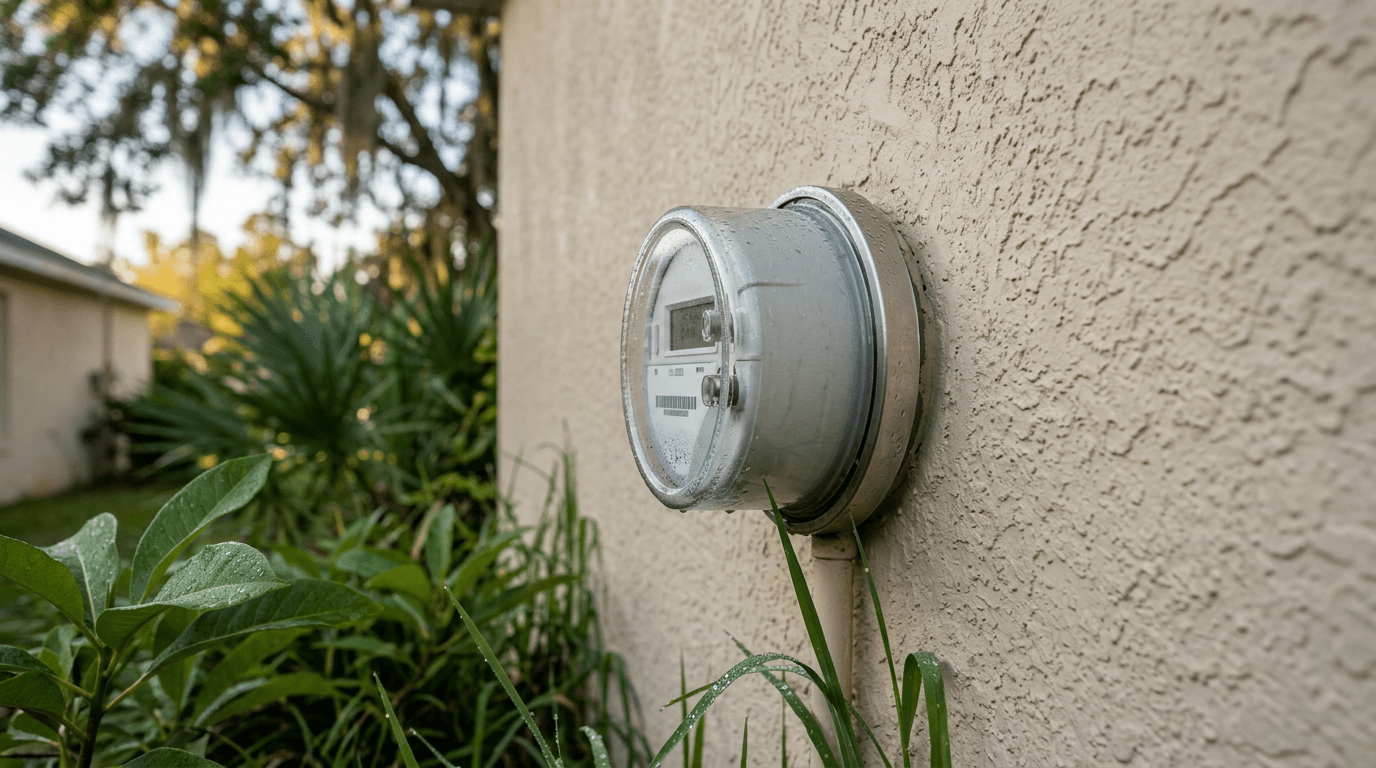
Tampa Electric filed a plan with Florida regulators this week that would force future data centers and other massive power users to pay for their own infrastructure instead of spreading those costs across everyday customers' bills. The utility submitted the tariff to the Florida Public Service Commission on Sept. 30, and confirmed the filing Oct. 1.
The proposal targets what the industry calls "large-load" customers: facilities that average at least 50 megawatts of demand at peak, roughly the draw of a hyperscale data center. Under the plan, those customers would have to sign 20-year contracts, cover the cost of building out the lines and equipment that serve them, and chip in toward maintaining the broader grid that every Tampa Electric customer relies on.
Tampa Electric spokesperson Cherie Jacobs said the utility does not currently serve any large-load customers, but that is changing fast.
"We are seeing interest from large-load customers for potential opportunities in the future," Jacobs said, according to local media outlets. "Right now, Tampa Electric does not serve any large-load customers, but this plan does pave the way for the future to make sure that our customers remain protected and that reliable service is maintained."
Why this matters for your bill
Data centers use enormous amounts of electricity around the clock, and building the power lines, substations and generation capacity to serve one can cost hundreds of millions of dollars. Without rules like these, those costs could get folded into the rates everyone pays, including households in Tampa, Brandon and the rest of Hillsborough County who have nothing to do with the facility.
Tampa Electric says requiring large-load customers to fund their own hookups and contribute to system upkeep could help keep bills in check for existing residential and business customers as demand grows. The 20-year contract requirement is meant to prevent a scenario where a utility spends heavily to build infrastructure for a data center that later shuts down or scales back, leaving other ratepayers to cover the bill.
Note: The tariff still needs sign-off from the Public Service Commission. Tampa Electric says approval could come as early as late this year, or slip into early 2027.
A new state law set the deadline
The filing was required under a data-center law Gov. Ron DeSantis signed in May. DeSantis has said the law is meant to protect consumers from subsidizing the buildout of massive new computing facilities, many of which are tied to artificial intelligence. The law set an Oct. 1 deadline for Florida utilities to submit compliant tariffs to state regulators.
Tampa Electric is not alone. Duke Energy, which serves parts of Florida outside the Tampa Bay region, has filed a similar tariff and says it does not currently have a large-load customer in the state either. Duke said it was the first utility in Florida to present its plan to regulators and noted it signed onto a federal "Ratepayer Protection Pledge," separate from a rate cut request the company made in September that could take effect in 2027.
Data centers already a hot topic locally
Electricity demand has come up repeatedly at local meetings about proposed data centers around Tampa Bay, with residents asking whether the regional grid can handle the added load and whether their own bills will climb as a result. Tampa Electric's filing is effectively an answer to that second question before any large facility has even broken ground in its service territory.
The Public Service Commission has not set a hearing date for the tariff. Residents who want to track the filing or weigh in during the commission's review process can follow the docket through the Florida Public Service Commission, which posts filings and scheduling updates as cases move forward.
Want to keep up with how this plays out? Follow Tampa Community Website on Facebook and Instagram, or join the discussion in our Community Forum. For more coverage of local utility and development issues, visit our Business and Government & Politics sections, and explore more at Tampa Community Website.

Continue this story for free.
Stay informed about Tampa. Enter your email to access the full story and receive local news and community updates.
Free to read · No password to remember
New here? We’ll email you a sign-in link and code. Already a reader? Use your usual email.
Read next
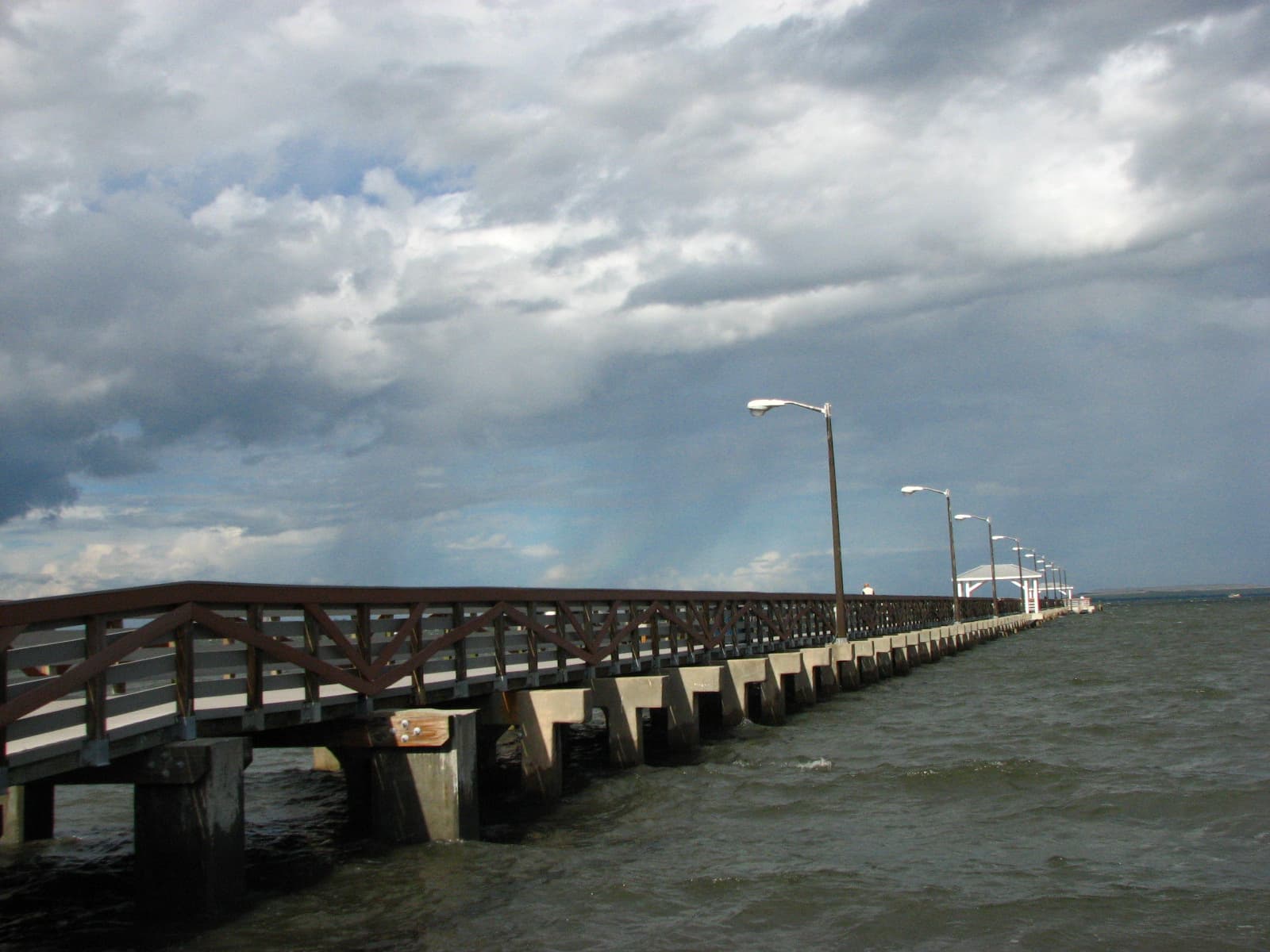
Tampa Begins $1.7 Million Design Push to Rebuild Ballast Point Pier After Helene
Nearly two years after Hurricane Helene tore the pier apart, Tampa is hiring an engineering firm to design a hurricane-resistant replacement for the 940-foot South Tampa landmark.
Read the story ↗


Comments
What does this mean for your neighborhood? Share your experience or ask a question.
Your draft stays here while you sign in. Be respectful and keep it local.
No comments yet. Be the first to share your thoughts!